





100+ Years Experience

Fully Licensed Master Plumbers

Albany’s Top-Rated Local Team

Flexible 0% Financing Available
PLUMBING, HEATING COOLING SERVICE IN ALBANY, TROY, SCHENECTADY, DELMAR, GLENMONT AREA OF THE CAPITAL REGION.
Call E.W. Tompkins Plumbing Heating Cooling!. Read our 900+ Google reviews with our 4.9 GOOGLE rating. We offer quality work. We offer ONLINE BOOKING. Chose Your day and time by clicking here.
We send text message to confirm appointments.
We send you a photo of the technician coming to your door so you feel safe.
We send a “we are on our way text” about 20 minutes before we arrive.
We are the oldest Plumbing Company in the Capital Region. We started in 1921 on Market Street in Albany. City of Albany licensed plumbers.
We pride ourselves in being prompt professionals. Talk to the owners! We are fast and friendly group and our customer service cannot be beat.
BOOK ONLINE
518-462-6577

PLUMBING, HEATING COOLING SERVICE IN ALBANY, TROY, SCHENECTADY, DELMAR, GLENMONT AREA OF THE CAPITAL REGION.
Call E.W. Tompkins Plumbing Heating Cooling!. Read our 900+ Google reviews with our 4.9 GOOGLE rating. We offer quality work. We offer ONLINE BOOKING. Chose Your day and time by clicking here.
We send text message to confirm appointments.
We send you a photo of the technician coming to your door so you feel safe.
We send a “we are on our way text” about 20 minutes before we arrive.
We are the oldest Plumbing Company in the Capital Region. We started in 1921 on Market Street in Albany. City of Albany licensed plumbers.
We pride ourselves in being prompt professionals. Talk to the owners! We are fast and friendly group and our customer service cannot be beat.
BOOK ONLINE
518-462-6577

PROMPT. PROFESSIONAL. PLUMBERS.
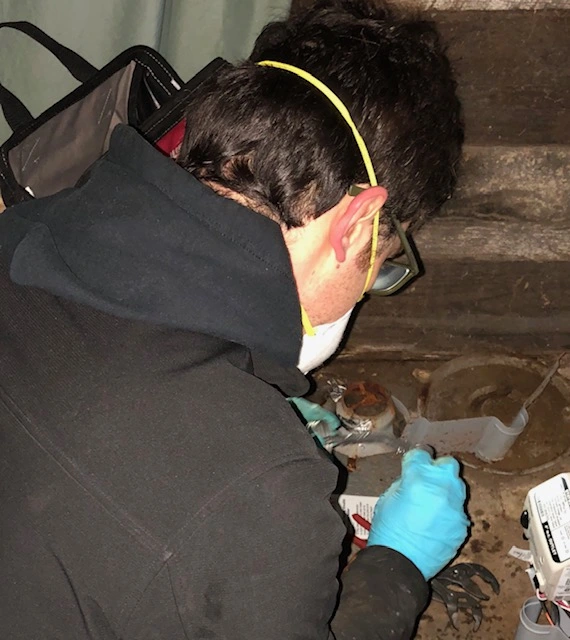
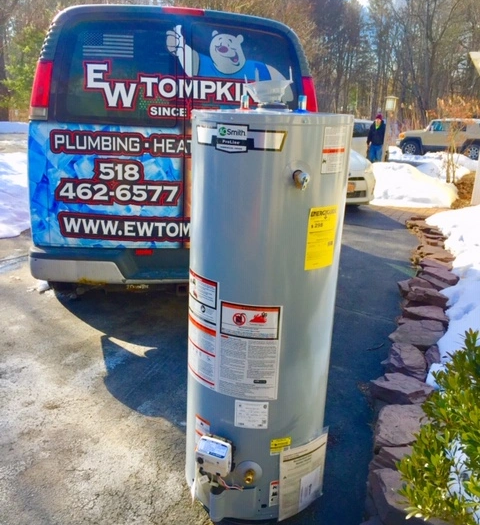
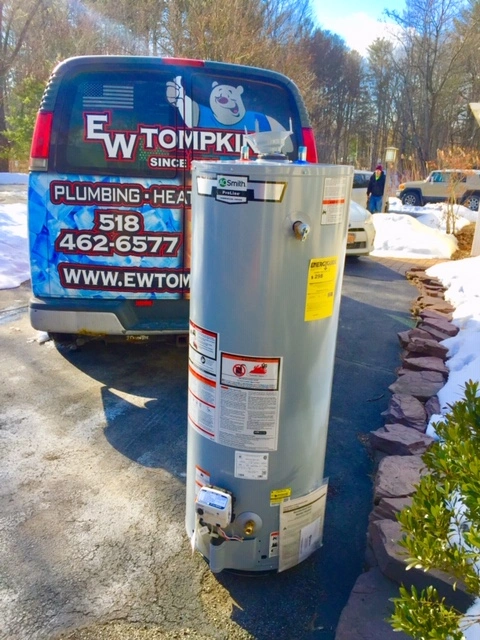
E.W. Tompkins is one stop solution for all your plumbing needs. We are the best plumbing company, and provides all plumbing services in Albany. Our Plumbing Heating Cooling Technicians are homeowners also. They want the best for your home. We will suggest quality brand name products for fixtures installations, toilets installations, sump pumps, filter systems, faucets installations and hot water heaters.
Our team understand that best service experience is a key to winning the customer’s trust, and what a customer actually want from a service provider, and for that we worked hard to provide the best customer experience.
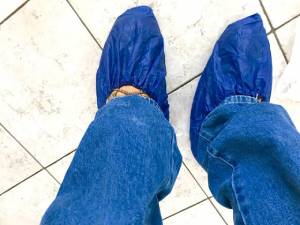
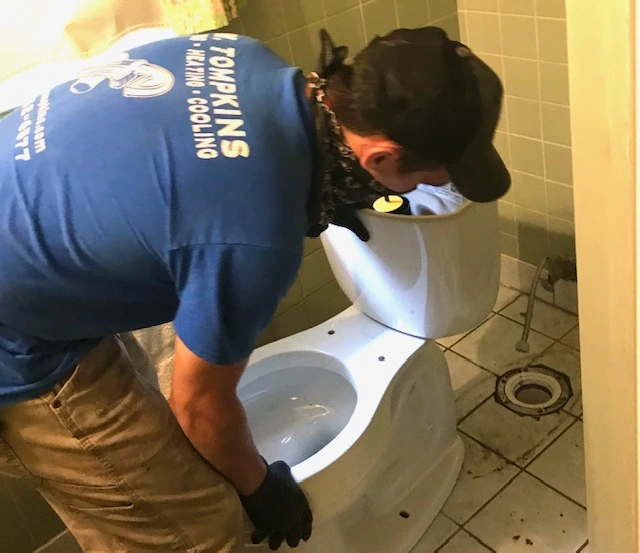
We want you to be happy with your toilet installations, faucet installations, hot water heater installations, and other plumbing services. You deserve the royal treatment! Our prompt professionals will strive to arrive on time and will enter your home with their blue shoe covers on and with our red runners in hand.
So, whenever you need fixtures installations, toilet installation service, sump pumps, filter systems, faucets installations and hot water heaters, don’t miss to book us!
Take a second to read our 900+ Google Reviews as they tell our story best! 4.9 RATING
DID YOU KNOW YOU CAN BOOK CERTAIN PLUMBING SERVICES ONLINE ? CLICK HERE!

Our Mission
We endeavor to provide professional quality work, offer reliable & efficient service, maintain
excellent communications with the customer, & keeping safety in mind.
Our Values
Quality. Integrity. Respect. Team Safety
Our Vision
Our goal is to be known as the best plumbing company in the Capital Region of Albany,
Schenectady, Troy and Saratoga Springs and to be recognized for our commitment to
service and innovation in the plumbing industry.
OUR CUSTOMERS COME FIRST
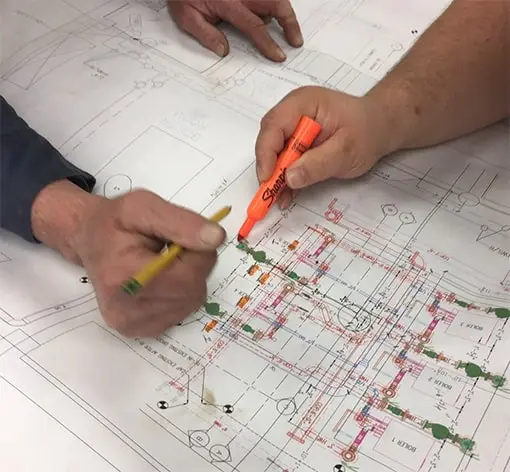
E.W. Tompkins Plumbing Heating Cooling is committed to excellence serving customers in Albany and the Capital Region. Our staff includes Master Plumbers and experienced experts who are strictly screened and trained.
We offer the best quality plumbing and heating service in Albany, Clifton Park, Schenectady, Delmar, Glenmont, Voorheesville, Colonie, Guilderland, Slingerlands, Latham, Loudonville, Ballston Lake, Loudonville, Bethleham, Troy, Menands, Niskayuna, Rensselaer, Saratoga Springs and all the places in between!
INNOVATIVE PLUMBERS
When E.W. Tompkins Plumbing Heating Cooling schedules an appointment, you will receive a text confirmation message to your cell phone with all of our contact information on it.
We want you to feel safe! If you book with your cell #, you get a photo of the technician who is arriving at your door. Our customers really like this feature.
We work closely with our customers going over your specific preferences and job requirements. Your estimate will be sent by email. You approve our estimates by email. Nothing gets LOST. Your time is precious! Our technicians text an “I’M ON MY WAY” message about 20 minutes before they arrive.
CLICK HERE TO BOOK ONLINE! See the red button up top ?
Our reliable E.W. Tompkins Plumbing Heating Cooling Team wants a LONG term relationship with you. You can be sure that you will receive the personal service you deserve from our Customer Care Representatives!
518-462-6577 BOOK ONLINE
OUR CUSTOMERS COME FIRST
E.W. Tompkins Plumbing Heating Cooling is committed to excellence serving customers in Albany and the Capital Region. Our staff includes Master Plumbers and experienced experts who are strictly screened and trained.
We offer the best quality plumbing and heating service in Albany, Clifton Park, Schenectady, Delmar, Glenmont, Voorheesville, Colonie, Guilderland, Slingerlands, Latham, Loudonville, Ballston Lake, Loudonville, Bethleham, Troy, Menands, Niskayuna, Rensselaer, Saratoga Springs and all the places in between!
INNOVATIVE PLUMBERS
When E.W. Tompkins Plumbing Heating Cooling schedules an appointment, you will receive a text confirmation message to your cell phone with all of our contact information on it.
We want you to feel safe! If you book with your cell #, you get a photo of the technician who is arriving at your door. Our customers really like this feature.
We work closely with our customers going over your specific preferences and job requirements. Your estimate will be sent by email. You approve our estimates by email. Nothing gets LOST. Your time is precious! Our technicians text an “I’M ON MY WAY” message about 20 minutes before they arrive.
CLICK HERE TO BOOK ONLINE! See the red button up top ?
Our reliable E.W. Tompkins Plumbing Heating Cooling Team wants a LONG term relationship with you. You can be sure that you will receive the personal service you deserve from our Customer Care Representatives!
518-462-6577 BOOK ONLINE

Why Should You Hire Us?
Innovative Plumbing Company
Professional – Experienced
Friendly – Fast
Reliable – Dependable
Our Professionism sets a part from other plumbers. Check out our awards!
- Reliable 100 year old company established in 1921.
- Award winning company performing QUALITY WORK.
- We sent Text Confirmation Messages and “On Our Way” messages!
- We wear shoe covers, use drop cloths and red runners.
- We are the “plumbing experts”.
- Our Customers Love Us! Read our 900+ Google reviews that tell our story BEST!. 4.9 Rating!
- BOOK ONLINE CLICK HERE NOW !
- We take credit cards after service is rendered.


